Women’s Football / FIFA World Cup
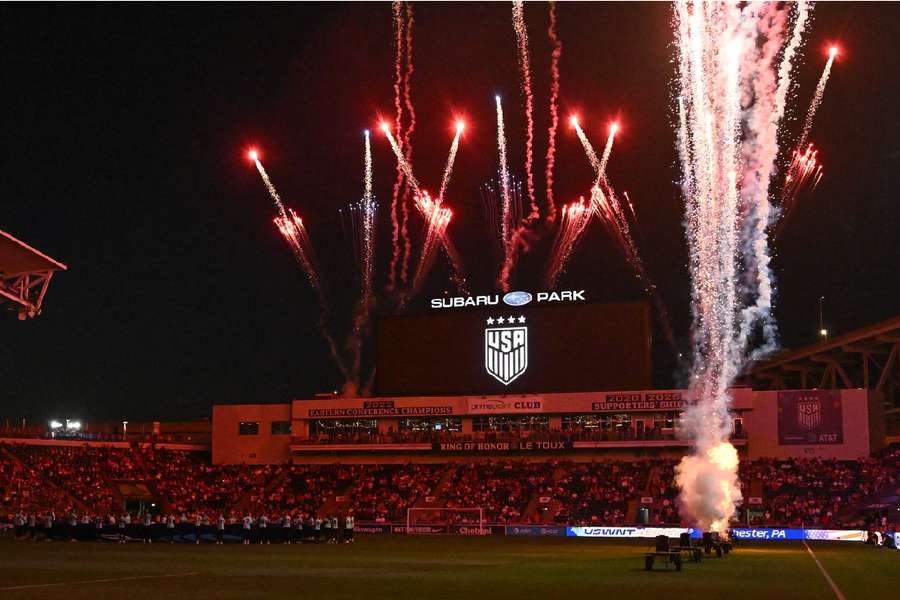
The next decade of the FIFA Women’s World Cup now has a confirmed hosting map. FIFA has awarded the 2031 tournament to the United States, Mexico, Costa Rica and Jamaica. England, Northern Ireland, Scotland and Wales will stage the 2035 edition.
The appointments were approved by acclamation at an extraordinary FIFA Congress on 23 November. FIFA’s announcement confirms the associations entrusted with delivery. The decision also places responsibility for an expanded competition across two different groups of hosts.
2031: Four countries, a larger field
The United States will host the senior women’s tournament for the third time, following 1999 and 2003. Mexico, Costa Rica and Jamaica will each stage it for the first time, according to U.S. Soccer’s confirmation. The partnership extends the event across North America, Central America and the Caribbean.
Those different starting points make the practical benefits particularly important. A familiar major-event market and countries hosting their first senior Women’s World Cup will not necessarily need identical investment. Facilities, coach development and opportunities for girls should be assessed locally, with progress visible before the opening match.
The venue list remains unfinished
U.S. Soccer says details covering host cities, stadiums, match schedules and tickets will follow as planning develops. Awarding the tournament does not settle those arrangements. Supporters can identify the host countries now, but should wait for official venue and sales announcements before treating specific travel plans as confirmed.
2035: A shared UK tournament

The Football Association’s announcement describes a competition featuring 48 teams and 104 matches over 39 days. The bid proposed 22 stadiums across 16 cities. Sixteen venues are in England, three in Wales, two in Scotland and one in Northern Ireland.
These are proposed venues, rather than a final allocation. FIFA still has to confirm the cities, stadiums and training sites. That distinction prevents an early shortlist from becoming an accidental promise to supporters about where particular matches will take place.
A hosting award with a long preparation window
The four associations have identified participation, the football workforce and investment as central legacy commitments. Their preparation period offers time to develop coaches and referees alongside facilities. The relevant test will be whether opportunities expand for people who play every week, including those far from the largest stadiums.
A tournament can attract attention quickly. Building dependable local opportunities takes longer. If a girl starts playing because the event is coming, she needs a place to train, suitable competition and adults able to support her development. A distant opening ceremony cannot provide those things by itself.
What 48 teams will change
The expansion was approved in May 2025. FIFA’s Council decision increased the field from 32 to 48 teams from 2031, introduced a 12-group format and raised the match total from 64 to 104. The competition will also run for an additional week.
That means 16 more national teams will participate and 40 more fixtures will require stadiums, staffing and broadcast arrangements. More places create an opening for federations outside the established contenders. They also make preparation essential: qualification alone cannot substitute for a functioning domestic development system.
The format presents organisers with a scheduling challenge as well as a commercial opportunity. Team movements, recovery periods and the distribution of matches deserve close attention. Across several host countries, the quality of those decisions will shape the experience of players and travelling supporters as directly as the quality of the grounds.
Brazil remains the immediate destination
Before either newly awarded tournament, Brazil will host the 2027 Women’s World Cup from 24 June to 25 July. That edition retains 32 teams. It provides the next competitive stage for the international game while the future hosts begin turning their commitments into operational plans.
The sequence gives organisers a useful opportunity to learn. Decisions about access, transport and communication at one tournament can inform the next, provided lessons become specific changes rather than broad claims about legacy. Supporters will judge the tournaments through what they can actually attend, afford and enjoy.
For national associations hoping to qualify, the longer horizon should help turn tournament targets into practical budgets. A place in a 48-team field still has to be earned, and an expanded finals competition does not mean every country receives equal preparation resources. Federations can use the confirmed years to plan national youth cycles, coaching appointments and competitive schedules. That is the strongest argument for looking beyond the host announcement: the tournament’s impact will depend partly on sustained work done outside the host nations.
The announcements still to come
The hosting decision settles who carries responsibility. It leaves detailed questions about venues, ticket prices and match allocation for later announcements. Those details will determine how widely the benefits and the costs are shared. Confirmation is a substantial milestone; delivery will be measured in the years between now and kick-off.