MLS / Philadelphia Union | Player profile
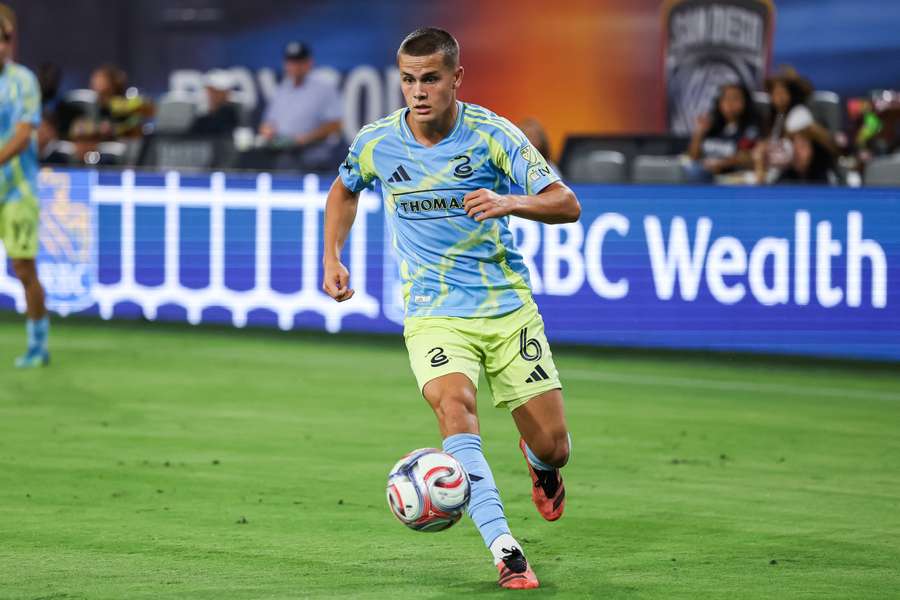
The most revealing part of Cavan Sullivan’s MLS Young Player of the Year award is the volume of work behind it. Philadelphia Union’s seventeen-year-old midfielder has moved beyond the spectacle of an early debut to deliver across a substantial senior campaign.
Flashscore reported the award on 23 November after a season containing nine goals and fourteen assists in twenty-nine appearances. He finished ahead of Julian Hall and Adri Mehmeti in the voting.
For a young creator, that combination matters. Goals show an ability to finish attacks. Assists suggest involvement in making opportunities for others. Neither statistic captures every useful action, but together they provide a stronger case than a highlights collection built around a few isolated moments.
The season that changed the conversation
MLS confirmed that Sullivan became the award’s youngest winner at seventeen years and fifty-six days. He led all three voting groups: players, media and club representatives. His combined share was 65.06 per cent.
The league also recorded a run of ten consecutive matches with a goal contribution, a teenage record. Sullivan earned September’s Player of the Month award and became Philadelphia’s first recipient of the young player honour in its current format.
That breadth gives the decision weight. A public reputation can spread quickly around a gifted teenager, but recognition from opponents and technical staff reflects a different vantage point. They must prepare for the problems he creates, rather than simply admire his most attractive touches.
Before the first professional contract
The foundations were visible in youth football. Concacaf named Sullivan its best player at the 2023 boys’ under-15 championship, which the United States won by beating Mexico 4–2 in the final.
A youth tournament award measures performance in a particular setting. It does not predict a complete career. For Sullivan, its significance now lies in continuity: he has carried influence from an age-group competition into a different physical and tactical environment.
Philadelphia supplied the stepping stones
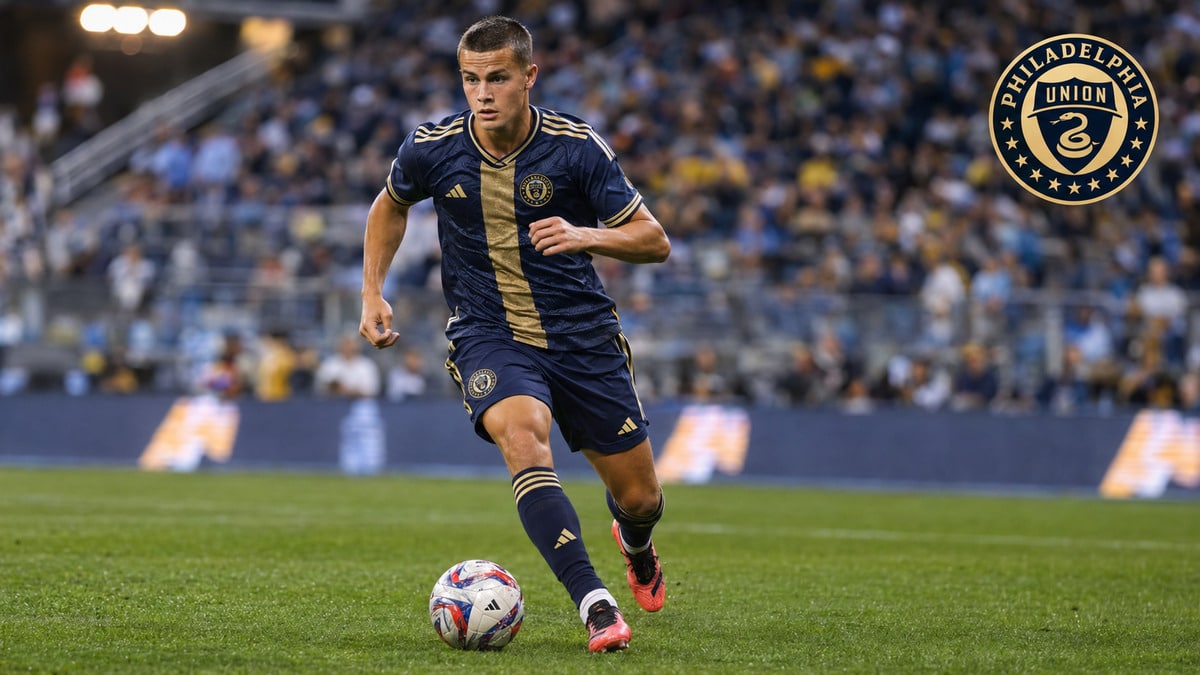
The Union’s May 2024 signing announcement said he joined its academy at ten and agreed a contract through 2028. His route included the club’s under-15 and under-17 teams, then Philadelphia Union II.
At the 2023 Generation Adidas Cup, he helped the under-15 side reach the final and earned selection to the competition’s best eleven. He subsequently contributed to the under-17 team’s 2024 title. Those stages placed different demands on a player already attracting attention.
The point of a pathway is more than arranging increasingly prominent debuts. It should expose a prospect to harder decisions while preserving opportunities to play. Sullivan’s history offers a practical example of movement through several competitive levels within one club structure.
The debut was a beginning
Philadelphia’s record of his milestones dates his MLS debut to 17 July 2024, against New England Revolution. He entered in the eighty-fifth minute, aged fourteen years and 293 days, surpassing Freddy Adu’s league debut record.
Later, he became the youngest player to start a league match for the Union, at fifteen years and 280 days. The distinction between appearing and starting is important. A late introduction offers a first experience; a start requires managing the match from its opening exchanges.
The 2026 season extends that progression again. Regular involvement asks a teenager to prepare repeatedly, handle opponents who have studied him and contribute when the first idea fails. An award recognises the output, but those less visible demands help explain its sporting significance.
The award season also brought senior international recognition. MLS’s announcement records his first United States call-up in September, a start against Peru and a goal against Mexico that made him the national team’s youngest scorer. Those achievements add another setting in which he must earn responsibility on another competitive stage.
International football brings changing teammates and shorter preparation windows. For a developing midfielder, communicating an intended run or recognising a teammate’s preferred passing angle can be as important as technical ability. Club progress offers a foundation, but understanding those new relationships is a separate task. Sullivan’s domestic record gives him a compelling opportunity to tackle it.
The next test will be adaptation
There is no reason to turn this honour into a guaranteed forecast. Creative players encounter new defensive plans as their reputations grow. Opponents may close the inside passing lane, crowd the receiving space or force possession towards a less comfortable area.
For Sullivan, continued development will mean expanding the available answers. Releasing the ball earlier can be as valuable as beating a defender. Finding space again after a simple pass can matter more than attempting something spectacular under pressure.
Philadelphia Union can celebrate a player whose production now supports the attention surrounding him. The strongest next chapter would preserve that relationship between opportunity and responsibility: enough freedom to create, enough structure to keep learning, and performances that remain useful after opponents have changed the question.