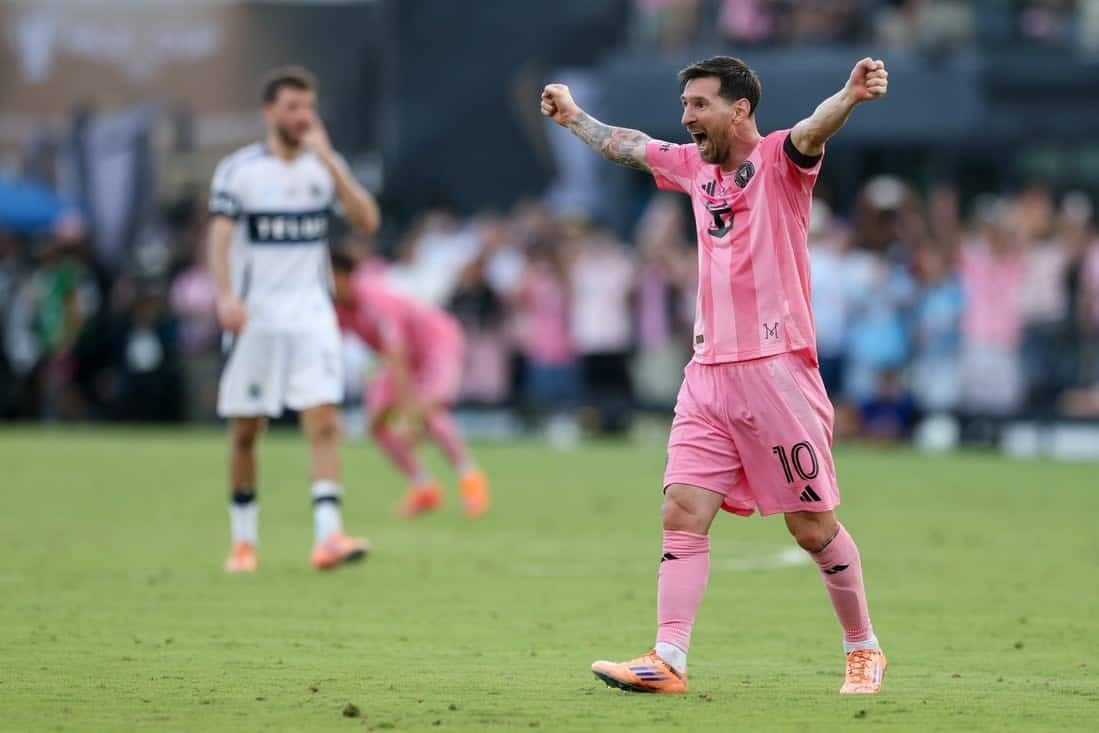
Major League Soccer starts its 2026 campaign with a headline fixture that feels engineered for global attention: Lionel Messi and Inter Miami opening the season against Son Heung-min and LAFC at the Los Angeles Memorial Coliseum. A crowd of more than 70,000 is expected, and the choice of venue says everything. MLS doesn’t just want a strong season. It wants a statement season.
This year is different because the calendar is different. The 2026 FIFA World Cup will be staged across the United States, Canada, and Mexico, and MLS will be split in two by the tournament. That interruption could be a disruption. MLS is positioning it as an amplifier. The league wants the season to act like a runway build momentum, hit peak visibility during the World Cup, then return with renewed energy and a stronger narrative.
It’s a strategy built on the modern truth of sport: attention is currency. MLS is aiming to spend 2026 converting attention into long-term loyalty.
Why the Opener Matters: It’s a Global Marketing Moment, Not Just a Match
Messi remains the league’s flagship attraction. This is his fourth season with Miami, and MLS continues to build major occasions around his presence because it works. Meanwhile, Son brings a different kind of global pull: a massive audience across Asia, elite-level credibility from Europe, and the type of star profile that can lift LAFC into true international conversation.
Put them together in one opener, in one of America’s iconic stadiums, and you create a match that feels bigger than “Week 1.” MLS understands that casual viewers don’t tune in because of standings. They tune in because of stakes, stars, and stories. This opener has all three.
Inter Miami Start as Favorites But There’s a Key Question Mark
Inter Miami enter 2026 as the team everyone is chasing after winning MLS Cup last season. That changes the psychology of every match. Opponents won’t just face Miami. They’ll face the narrative of Miami. Every stadium becomes a stage, every road trip becomes a “statement opportunity” for the other side.
However, Miami also begin the season with a note of uncertainty around Messi’s fitness. He has been managing a hamstring issue in preseason, and while the expectation is that he will be available, early-season minutes management becomes part of the story. Miami’s leadership knows the bigger objective is not one match. It is making sure Messi is ready for the most important stretches of the year.
Miami have also reshaped parts of the squad, bringing in new pieces designed to strengthen depth and flexibility. That matters in a season split by a World Cup, because continuity is harder to maintain. The best squads in 2026 will be the ones that can restart quickly after the mid-season break.
LAFC With Son: A Legitimate Contender With Star Power and Edge
LAFC’s appeal goes beyond marketing. The club has been built to compete, and Son adds a ruthless dimension in big moments. He is not just a name. He is production. He is also a psychological factor—defenders adjust their positioning when a player like Son is on the pitch, and that can open space for others.
LAFC also enter the season with renewed energy around leadership and structure, aiming to set standards early. In a World Cup year, “starting fast” matters more than usual. If you lose momentum before the break, it can be difficult to reclaim it after.
MLS in a World Cup Year: The League’s Real Target Is Global Credibility
MLS has been growing for years, but 2026 is a unique window to move from “fast-growing league” to “globally relevant product.” That means improving the quality of play, strengthening club infrastructure, and continuing to attract players who elevate the league’s reputation.
This season also sits within a bigger structural plan. MLS intends to adopt a European-style summer-to-spring calendar beginning in 2027. That is not a small change. It impacts player recruitment, training cycles, commercial planning, and how the league aligns with the wider football economy. In many ways, 2026 is the bridge year—high visibility, high ambition, and a chance to prove the league can handle a bigger global spotlight.
Miami Freedom Park: Another Signal MLS Is Building for the Future
Inter Miami will also unveil a major piece of the league’s long-term growth story: the new Miami Freedom Park stadium, set to open in April. With an estimated $1 billion price tag, it’s a symbol of MLS’s modern direction—clubs investing aggressively in infrastructure to create bigger matchday experiences and stronger local identity.
These developments matter because leagues don’t grow only through star signings. They grow through stability: stadiums, academies, training facilities, and ownership groups that treat football like a long-term asset.
The Bottom Line: MLS 2026 Is a Test of Momentum and Maturity
The season opener is a perfect snapshot of what MLS is trying to become: a league that blends star power with real competition, and local passion with global reach. Messi vs Son is the headline, but the deeper story is structural. Can MLS use the World Cup year to build lasting value? Can it turn peak attention into a stronger reputation?
Saturday’s match will not decide the season. But it will reveal the league’s intent. And in 2026, intent is part of the product.