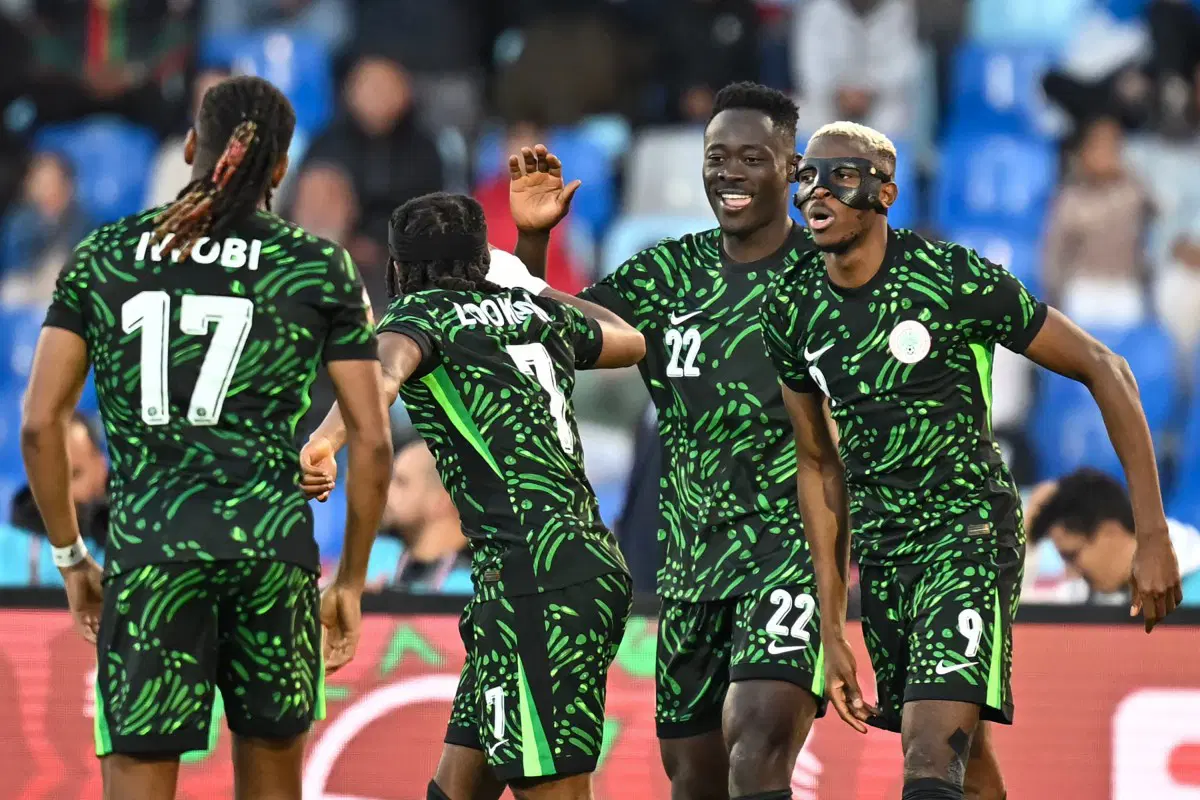
Nigeria’s Super Eagles will use the March international window for something more structured than a standard friendly: a four-nation invitational tournament in Amman, Jordan featuring Iran, Jordan, Costa Rica, and Nigeria. It’s the kind of setup coaches like because it compresses preparation into a competitive environment two matches, clear objectives, and very little room for “training ground” excuses.
The schedule is straightforward. The tournament begins on Friday, March 27, 2026, with Nigeria taking on Iran at the Amman International Stadium (17,000 capacity). On the same day, hosts Jordan play Costa Rica. The tournament concludes on Tuesday, March 31, when Nigeria face Jordan, while Iran meet Costa Rica. Kick-off times are expected to be confirmed later.
Why This Tournament Matters for Nigeria
For Nigeria, this is not just about filling a FIFA window. It is a chance to build clarity under head coach Eric Chelle and stress-test the squad against two very different opponents. Iran bring a compact, organised style and arrive with the confidence of a team that has already locked in its place at the 2026 World Cup. Jordan, as hosts, will play with emotion and intensity—especially in front of a home crowd.
From a high-performance perspective, tournaments like this help answer the questions that ordinary friendlies often avoid. Can the team start fast? Can it control game state after scoring? Can it respond when a match turns against them? Those are “CEO questions” in football form less about flair, more about repeatable execution.
Iran as the Opening Opponent: A World Cup-Level Benchmark
Nigeria’s first match against Iran is the headline fixture. Iran are coached by Amir Ghalenoei, and they’re using March as part of their World Cup preparation cycle. Nigeria, in contrast, are still building rhythm and certainty. That contrast is useful. It tells Nigeria exactly where the bar is. :contentReference[oaicite:3]{index=3}
In practical terms, Iran will likely offer Nigeria two challenges at once: defensive structure and tactical discipline. Teams preparing for the World Cup tend to be less willing to “open up” in friendlies. They treat them as rehearsal. If Nigeria want to win this match, they’ll need sharp transition play and clean decision-making in the final third—no wasted counters, no rushed shots, no sloppy passes in Zone 14.
Jordan Second: The “Mental Toughness” Match
The second fixture, against Jordan on March 31, is the kind of test that reveals maturity. Hosts in invitational tournaments often treat games like national events. The crowd is engaged. The intensity rises. Refereeing can feel different. Players must stay calm, keep structure, and avoid emotional mistakes.
It’s also a tactical contrast to Iran. Where Iran may prioritise shape and control, Jordan are more likely to push momentum, chase duels, and turn the match into a series of high-energy phases. Nigeria’s ability to manage those swings especially away from home will be one of the most valuable takeaways of the entire window.
Venue Details and the “One-City Advantage”
One underrated benefit of this setup is logistics. Nigeria will play at the Amman International Stadium, while Jordan vs Costa Rica is scheduled at the King Abdullah Sports City Stadium (62,000 capacity). A single host city reduces travel fatigue and simplifies recovery planning, which means the squad can focus more on performance and less on movement.
This matters because international windows are short. Every hour lost to travel is an hour not spent on tactical prep, medical work, or match-specific training. In this format, coaches can run a more professional micro-camp, which is exactly what Nigeria need if they are serious about raising consistency.
What Nigeria Should Prioritise in March
Nigeria have enough talent to beat anyone on the right day. The real mission now is turning talent into dependable performance. Here are the three priorities that should define the March window:
- Defensive distances: keep the team compact between lines, especially after losing the ball.
- Transition discipline: counter with intent, but avoid overcommitting and conceding cheap breaks.
- Game management: protect leads with structure, not panic; chase deficits with patience, not chaos.
If Nigeria leave Amman with two coherent performances regardless of results that is progress. If they leave with a clear identity and a reliable base level, that is momentum.
The Bigger Picture: A Competitive Window, Not a Comfort Window
International football often falls into “safe friendlies” where teams avoid risk and fans learn very little. This tournament is different. Iran are World Cup-bound and preparing seriously. Jordan are hosts and motivated. Costa Rica bring their own identity and intensity into the group. The environment should feel competitive.
For Nigeria, that’s exactly the point. Growth rarely happens in comfort. It happens when the pressure is real, the margins are thin, and the team must execute.