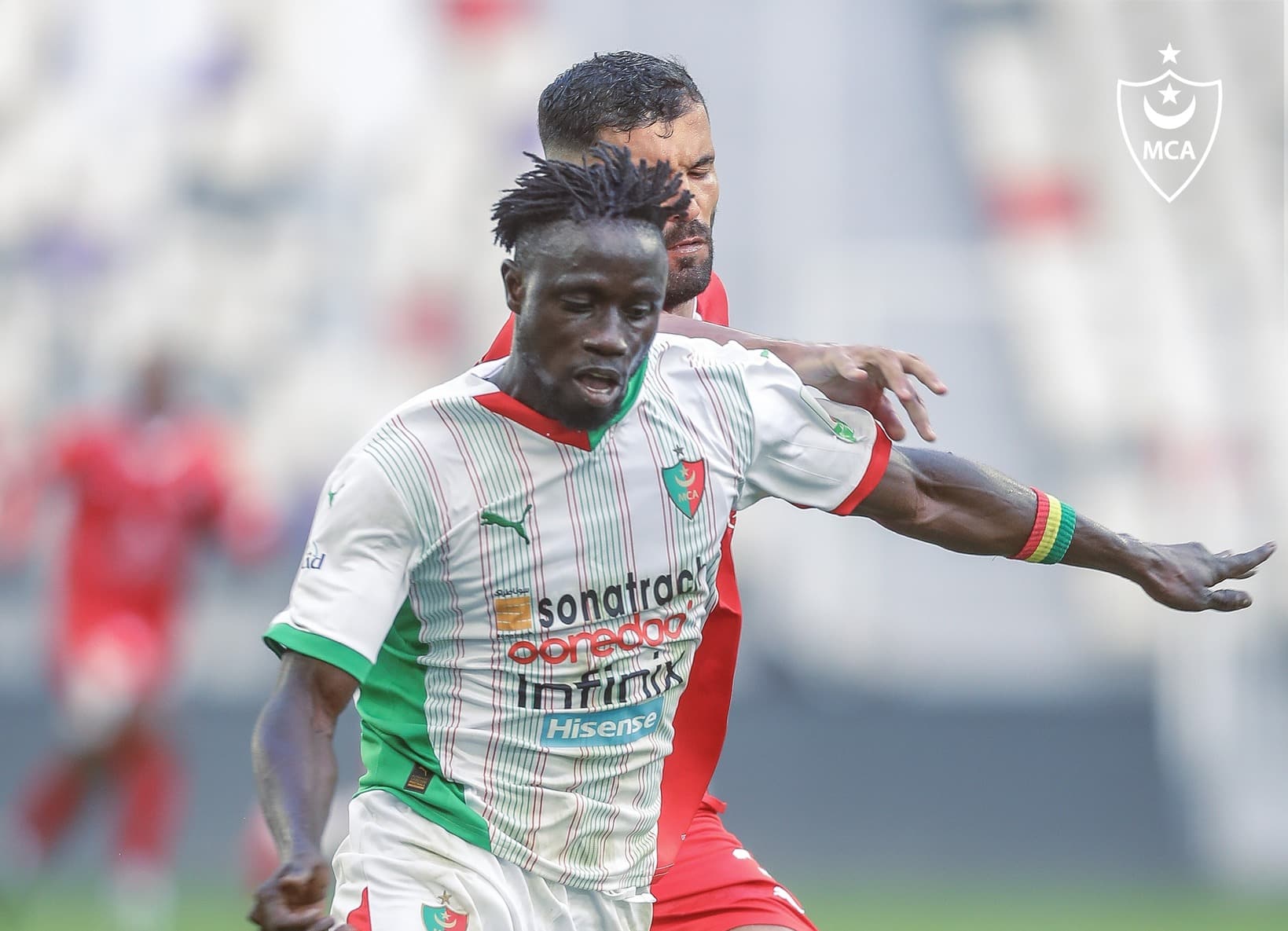
For a club like MC Alger, the CAF Champions League is never “just another competition.” It is history. It is identity. It is the kind of stage where a season can become a legacy. That’s why the club’s group-stage exit this year has felt so disappointing not only for the players, but for supporters who believe the reigning Algerian champions should be challenging deeper into the tournament.
Yet inside the dressing room, midfielder Alhassane Bangoura is pushing a different message. Not denial. Not excuses. A reset. The Guinean international has admitted the campaign didn’t meet expectations, but he believes the experience can become a turning point if MC Alger use it properly.
In high-performance environments, that mindset matters. A setback can become either a scar or a blueprint. Bangoura’s point is that MC Alger must treat it as the second: evidence of what works, what fails under pressure, and what must improve to compete with the strongest sides on the continent.
What Went Wrong: A Group That Punished Every Mistake
MC Alger entered the tournament with a clear target: end a long wait for another African crown. The club’s last continental triumph came back in 1976, and the ambition this season was to bring that level of continental relevance back to Algiers.
The group stage, however, delivered a reality check. MC Alger were drawn in Group C and ultimately finished third, falling short against three opponents who consistently punished small errors: Mamelodi Sundowns, Al Hilal, and DR Congo’s Saint-Éloi Lupopo. In a six-game group, there is little time to recover when key moments go against you. That is exactly what happened.
Bangoura did not hide from the disappointment. He acknowledged that results did not match the club’s intentions and that dropped points proved costly. But he also framed the elimination as feedback—painful feedback, yes, but still useful if the club acts on it.
The Part People Forget: MC Alger Looked Promising Earlier in the Run
One reason the exit has felt so frustrating is that MC Alger had already shown real promise before the group stage. In the preliminary rounds, they recorded wins over Liberia’s Fassell and Cameroon’s Colombe Sportive, creating early belief that the team could carry momentum into tougher matchups.
That contrast strong early progress, then a group-stage stall suggests the problem was not “ability” in a general sense. It was consistency at a higher level. In continental football, the difference between a good team and an elite one is often not talent. It is the ability to repeat standards when the opponent raises the speed of the match.
And that is where Bangoura’s message becomes important. He is not claiming MC Alger were unlucky. He is saying the campaign exposed clear strengths and clear gaps and that clarity can be valuable.
Bangoura’s Take: “Focus on the Positives” Isn’t Soft It’s Strategic
Some fans hear “positives” and think it’s a comfort line. Bangoura’s framing is more serious than that. He described the tournament as a learning experience that highlighted what MC Alger do well and what must be improved. He pointed to the squad’s preparation and quality, while admitting the group stage demanded more control and sharper execution.
His argument is straightforward: every match delivered a lesson, and those lessons can reduce future mistakes—if the team is honest about them. That includes tactical details (how you manage away legs), mental details (how you respond after conceding), and physical details (how you maintain intensity across six high-pressure games).
This is also why he rejected the idea that expectation alone caused the early exit. Big clubs always carry expectation. The real issue is how you translate that expectation into consistent performance. According to Bangoura, the players wanted to win, but they did not experience a paralyzing “pressure” that made the task impossible. They simply didn’t deliver enough points.
What Comes Next: Turning a Setback Into a Platform
For MC Alger, the next steps should be practical. Not emotional. Three priorities stand out if the club wants a deeper run next season:
- Game management: In group stages, one poor spell can cost a match. Elite teams control risk better, especially away from home.
- Clinical moments: Continental games often hinge on a few chances. Converting and defending those moments is the difference.
- Consistency under tempo: The top African sides increase intensity late in games. MC Alger must match that physically and mentally.
Bangoura’s confidence is not based on wishful thinking. It is based on the belief that the squad has the quality, and the experience gained this season can become an advantage rather than a regret. That is the right mindset. But it also comes with a responsibility: the club must act on the lessons quickly and deliberately.
In football, the most dangerous moment is not losing. It is losing and learning nothing. MC Alger now have a choice. If they treat this Champions League campaign as a harsh but useful benchmark, they can return better prepared and more difficult to beat. If they treat it as bad luck, the same mistakes will repeat.
Bangoura is betting on the first outcome. Next season will reveal whether the club is ready to back that belief with the hard work required to compete with Africa’s best.