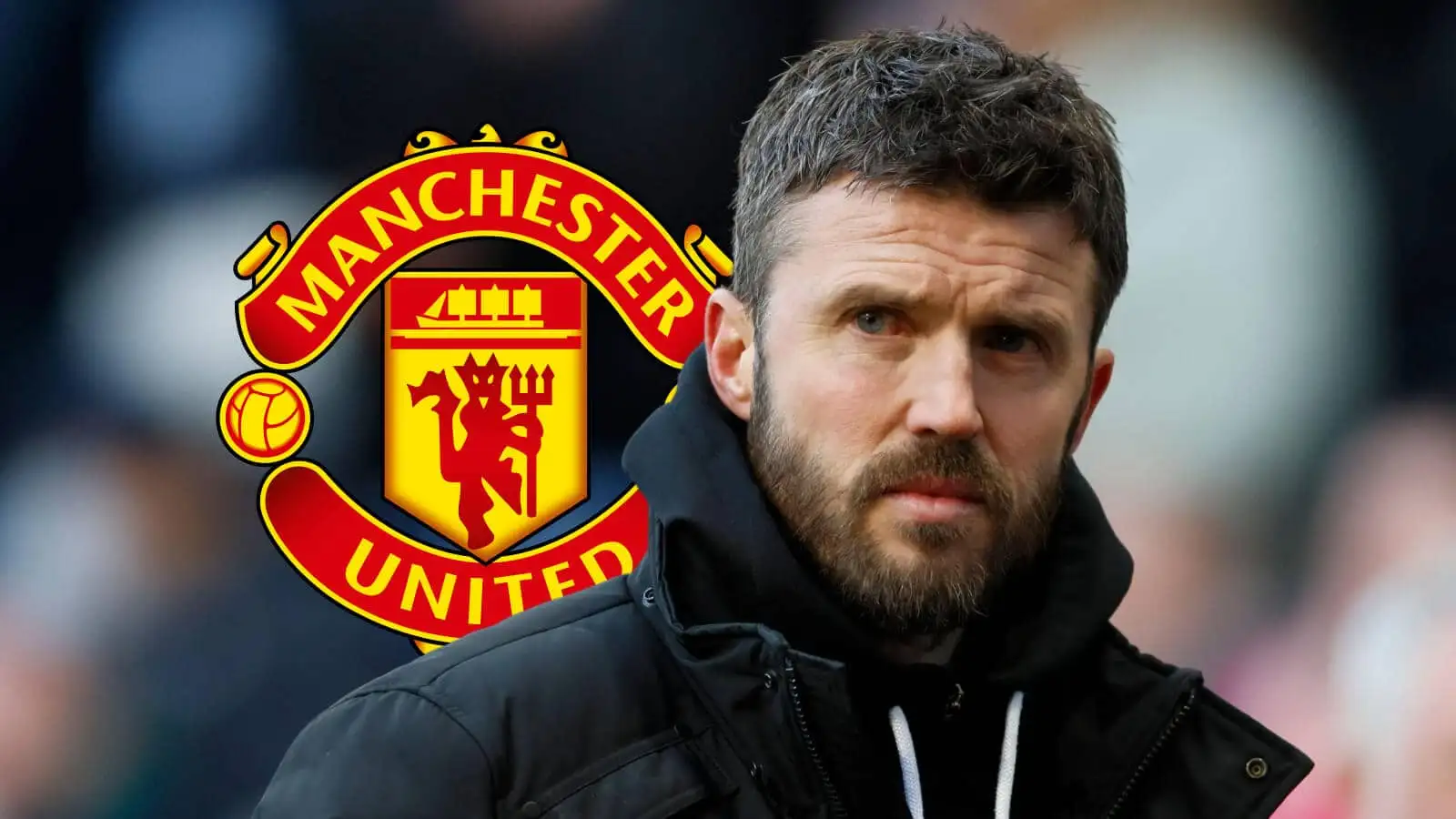
There’s a special kind of energy that returns to Old Trafford when belief comes back. It’s not just about winning. It’s about recognising the team again. In a short spell as Manchester United’s interim manager, Michael Carrick has managed to do both: collect points and restore a sense of direction. That matters.
But football has a brutal habit of correcting the hype. A strong opening can create momentum. A single flat performance can expose what still needs fixing. And that’s why the next phase of Carrick’s run is more important than the first. The “honeymoon” is ending. The audit begins now.
A Strong Start Is the Easy Part. Sustaining It Is the Job.
Results have given Carrick early credibility. The performances have added another layer: United have looked more organised without the ball, more purposeful with it, and more confident in how they attack. In other words, the team has started to play like it knows what it wants to be.
That shift doesn’t happen by accident. It usually comes from clarity. Systems, roles, and selection choices begin to feel intentional. Players stop drifting through matches and start working within a plan. For supporters, it’s obvious when a side is being coached. Under Carrick, it has looked that way.
However, modern Premier League management is not judged by a few big nights. It is judged by the quiet Saturdays. The away trips where intensity drops. The matches where opponents sit deep and dare you to break them. The weeks where nothing is “special” and yet you still must deliver.
The West Ham Draw Was a Useful Warning Sign
Every interim spell has a defining moment. Often, it’s not a victory. It’s a reminder that the squad’s habits don’t disappear overnight. A frustrating draw at West Ham a game United were fortunate to escape felt like that moment. It was the first clear sign that this team can still fall back into old patterns: slower tempo, lower urgency, and less sharp decision-making.
That does not erase the progress. But it changes the conversation. Because if you want the permanent role, you have to prove you can prevent those “off days” from becoming a regular feature. At elite clubs, that is the difference between a good coach and a top coach.
To put it simply: it’s not about being perfect. It’s about being dependable.
What Carrick’s Early Choices Say About His Vision
One of the smartest things Carrick has done is lean into the squad’s strengths rather than forcing a rigid ideology. That sounds basic, but it’s where many managers fail. He has also benefited from getting key players into more natural roles notably Bruno Fernandes operating in a position that maximises his influence.
Selection has mattered too. The return of Kobbie Mainoo has been more than a feel-good story. It signals trust in youth, a willingness to reward form, and a desire to inject energy into midfield. Big clubs always talk about culture. Real culture shows up in decisions like these.
At the same time, Carrick will know he is not working with a flawless group. The squad has quality, but it also has fragility. Some players are reliable week-to-week. Others can look world-class on Sunday and anonymous seven days later. That “weak underbelly” is what United have been fighting for years.
The Real Litmus Test: Consistency, Standards, and Control
So what does Carrick need to do next? The answer isn’t “win every game.” That’s not realistic. The real target is a consistent baseline: fewer sloppy performances, fewer emotional swings, fewer games where United look surprised by the opponent’s intensity.
If Carrick can make United a steady 7/10 most weeks, the table will take care of itself. In a league this competitive, even that level doesn’t guarantee points. But it dramatically increases the odds of finishing in the Champions League places and building momentum into next season.
This is where leadership becomes visible. How does the team respond after a poor match? Do standards stay high in training? Are players rotated with a clear plan? Does the structure hold up under pressure? These are the questions executives ask in any high-performance environment. Football is no different. It just plays out in public.
Everton Is the Start of the “Job Interview” Phase
When a club is searching for a permanent manager, most candidates are pitching from the outside. Carrick is different. He is already inside the building, already shaping the week, already facing the pressure. That gives him a rare advantage: he can demonstrate, not describe.
And with the next league match away at Everton, the timing feels symbolic. It’s not the glamour fixture. It’s not a headline occasion. It’s exactly the kind of game that decides whether a promising run becomes a real case for long-term leadership.
If United turn up with energy, control the match, and show maturity, Carrick’s argument grows louder. If they drift again, the doubts return quickly. That’s the reality at this level.
Final Thought: The Marriage Test, Not the First Date
Interim spells can be seductive. A bounce happens. The mood lifts. The noise fades. But the permanent job at Manchester United is not about sparks. It’s about sustainability.
Carrick has made an impressive start. Now comes the hard part: turning promise into a new normal. If he can do that, he won’t just be keeping a seat warm. He’ll be forcing the club to rethink the shortlist.